 Sebastian Schkudlara
The Agent Social Network: How Traylinx Router Connects the Dots
In our last post, we talked about giving agents a brain (Cortex). Today, let’s talk about giving them a voice.
If you build a super-smart “Coding Agent” but it lives in a silo, its usefulness is limited. It can write code, but it can’t deploy it, test it, or tweet about it. For that, it needs to talk to a “DevOps Agent,” a “QA Agent,” and a “Social Media Agent.”
But how does it find them? Hardcoding URLs (http://localhost:8001) is so 2010.
Enter the Traylinx Router and Agent Registry—the social network for your AI agents.
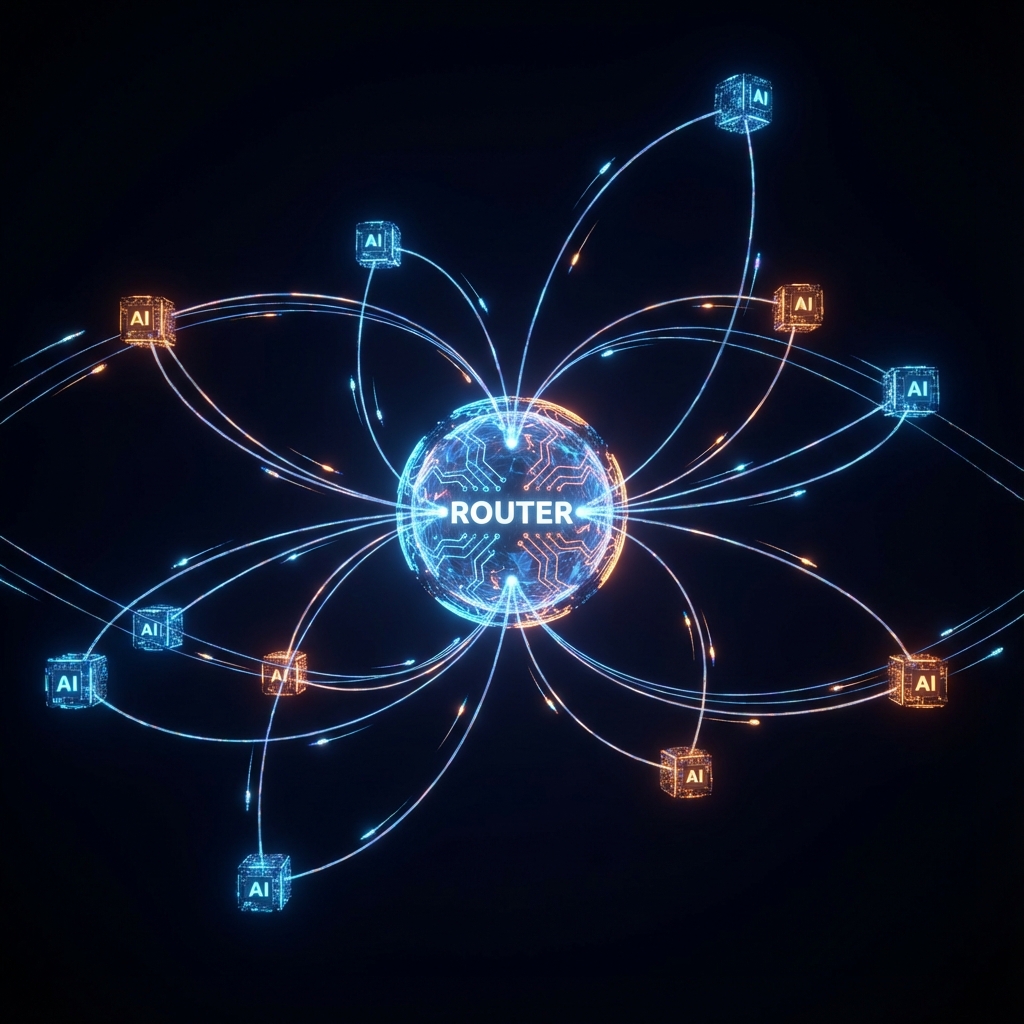
The Problem: “Where is everybody?”
In a distributed agent ecosystem, agents come and go. They scale up, they crash, they move to different ports. If Agent A wants to talk to Agent B, it shouldn’t need to know Agent B’s IP address. It should only need to know what Agent B can do.
This is Capability-Based Discovery.
The Solution: “I need someone who can…”
Instead of saying “Send this to 192.168.1.50”, your agent says: “I need an agent that can resize_images.”
The Traylinx Router acts as the traffic controller. It takes this intent, queries the Agent Registry, finds the best match, and routes the request.
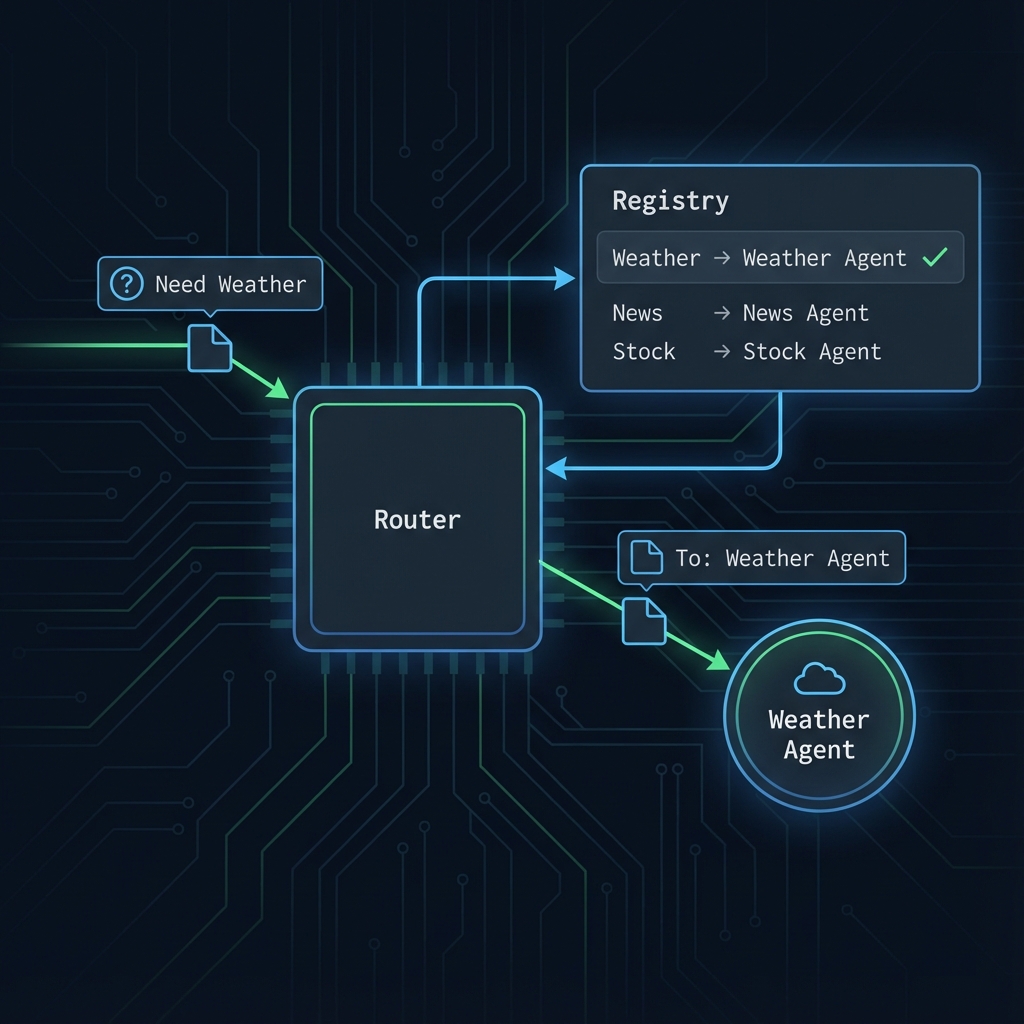
The Agent Registry: The Yellow Pages
The Registry is a database of all active agents and their capabilities. When an agent wakes up, it registers itself using an Agent Card.
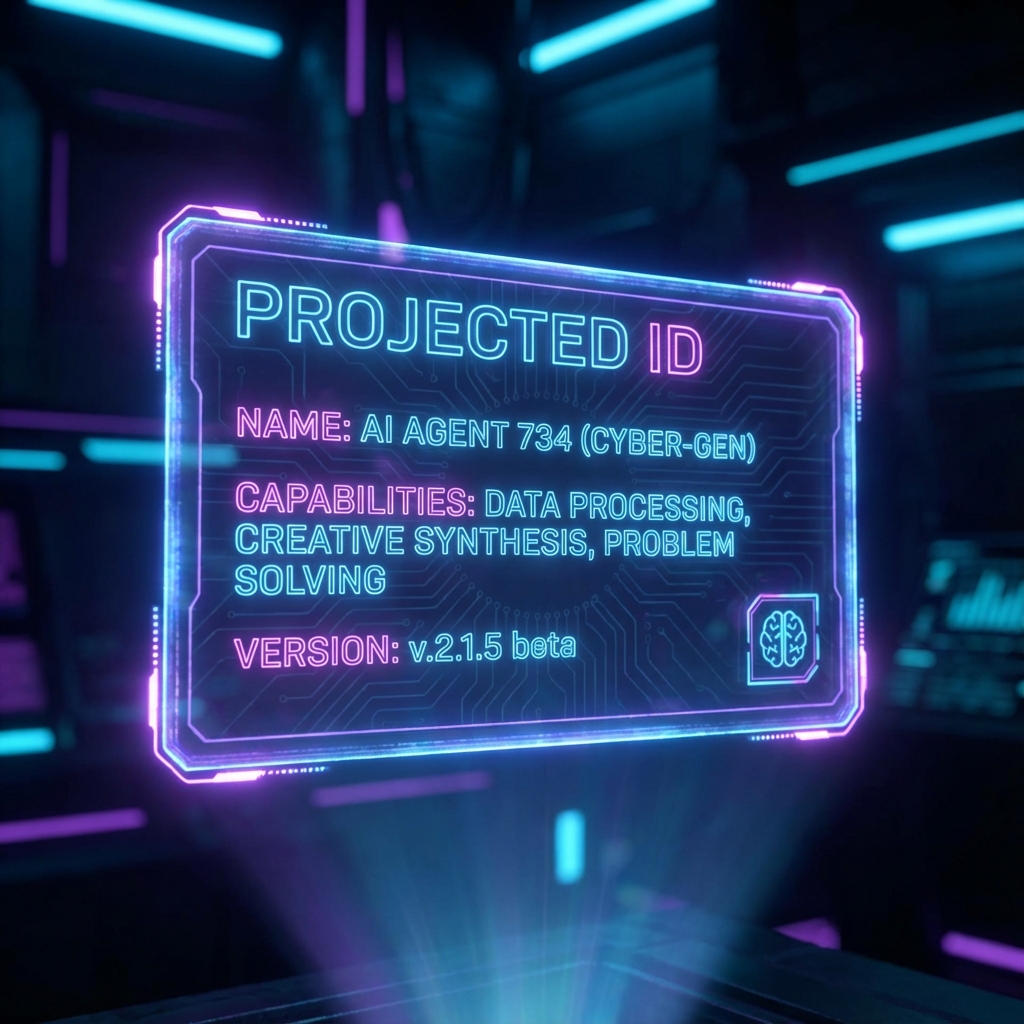
An Agent Card looks something like this:
{
  "name": "ImageOptimizer-v1",
  "capabilities": [
    {"key": "domain", "value": "media"},
    {"key": "op", "value": "resize"},
    {"key": "format", "value": "png"}
  ],
  "endpoint": "http://image-opt:8080/a2a",
  "status": "online"
}
The Router: The Matchmaker
When the Router receives a request:
- Lookup: It asks the Registry: “Who has
op=resizeandformat=png?” - Ranking: The Registry returns a list, ranked by health, latency, or priority.
- Forwarding: The Router forwards the request to the winner.
- Fallback: If the winner is down, the Router tries the next one.
Why This is Better than REST
- Decoupling: Your “Coding Agent” doesn’t care who runs the tests, just that someone does. You can swap out the “QA Agent” implementation entirely without changing a line of code in the “Coding Agent.”
- Resilience: If one “Weather Agent” dies, the Router automatically switches to the backup.
- Scalability: Need more throughput? Just spin up 10 more “Image Optimizer” agents. The Registry sees them, and the Router load-balances across them instantly.
A Real-World Example
Imagine you’re building a “Travel Planner.”
- User: “Book me a trip to Tokyo.”
- Planner Agent: Breaks this down. “I need flights, hotels, and weather info.”
- Planner Agent -> Router:
- “Find me an agent with
capability: search_flights.” -> Routes to ExpediaAgent. - “Find me an agent with
capability: search_hotels.” -> Routes to BookingAgent. - “Find me an agent with
capability: get_weather.” -> Routes to WeatherAgent.
- “Find me an agent with
- Router: Collects responses and sends them back to the Planner.
The Planner Agent never knew who fulfilled the requests. It just knew what it needed.
Conclusion
The Traylinx Router turns a collection of scripts into a collaborative organism. It allows agents to specialize, scale, and work together dynamically.
In the next post, we’ll see what happens when agents stop asking for things and start listening for them. It’s time to talk about Event-Driven AI.
 Traylinx Cortex: Giving Your AI a Persistent Memory (Finally!)